Impact Sliding Glass Doors
2, 3, and 4-panel and pocketing impact sliders in Kendall and Miami-Dade: large-missile-rated, multi-point and foot/head-bolt locked, and anchored to NOA spec. Wide openings protected, with structural review when the span calls for it.
2, 3, 4-Panel & Pocketing
Configured to your span
Foot & Head Bolts
Panel held top and bottom
Structural Review
Flagged early on wide spans
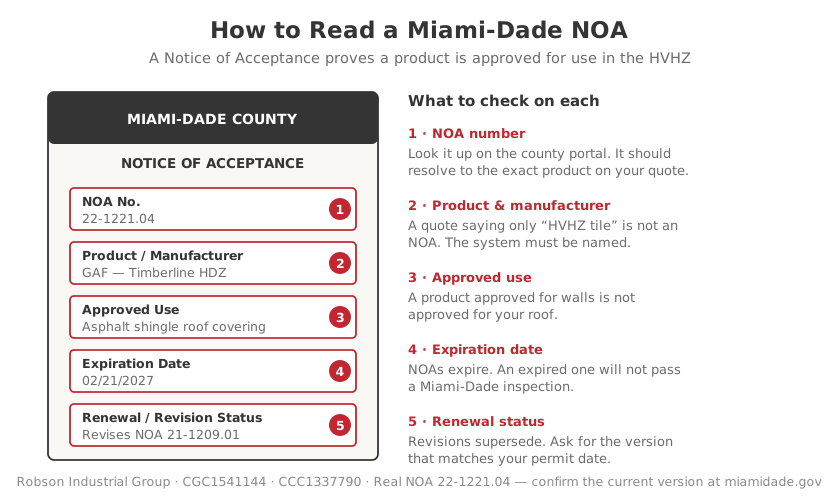
Anchored to Spec
County-inspected installation
The Widest Opening in the Wall
A sliding glass door is often the largest opening in the house, and the more of it you open, the more wind load the assembly and the surrounding structure have to carry. That's why the configuration, the approval, and the anchoring all have to match.
We install 2, 3, and 4-panel impact sliders and pocketing systems that disappear into the wall. Security comes from laminated impact glass plus locking that grips at multiple points, including foot and head bolts at the top and bottom of the active panel, which is what holds it in the track against wind trying to suck it out, and against the lift-and-pry move that defeats ordinary sliders.
On wider spans we flag a structural review early, because the header and supporting structure have to carry the load. We'd rather raise it on day one than have it surface at inspection.
Sliding Door At a Glance
- Configurations
- 2, 3, 4-panel; pocketing
- Glass
- Laminated impact glass to NOA
- Locking
- Multi-point + foot/head bolts
- Wide spans
- Structural review flagged early
- On-site time
- 1–3 days per opening
- Total timeline
- ~6–10 weeks incl. manufacturing
Why the glass-only shortcut doesn't work on sliders
A true impact slider is an approved frame-and-glass system: the frame, track, rollers, and locking are rated together to the NOA. Dropping impact glass into an old, non-rated frame does not produce a rated opening, no matter what the glass costs. If your slider is failing, the honest answer is usually a full approved-system replacement. We'll explain exactly why, rather than sell you a glass swap that won't comply or hold.
How a Sliding Door Runs
Measure & check the span
We measure the opening and assess whether the width and configuration need a structural review of the header and supports.
Configure & estimate
Panel count, pocketing or standard, finish: line-item, naming the approved system and NOA.
Engineering (if needed)
For wide spans, we coordinate the structural review so the opening is engineered correctly before permitting.
Permit & order
Permit filed with approval numbers; custom panels go into manufacturing.
Set & adjust
Frame set level, anchored to NOA spec, rollers and track dialed in, foot/head bolts adjusted; sealed and flashed.
Inspect & document
County inspection and a closeout package with approvals and photos.
Sliding Glass Door FAQ
How many panels can an impact sliding door have?+
Do wide sliding openings need a structural review?+
How is a sliding glass door secured against storms and break-ins?+
Can you replace just the glass in my old slider?+
Will a new impact slider operate more smoothly than my old one?+
How long does a sliding glass door project take?+
Open the Whole Wall, Safely
Free sliding door estimate that names the approved system and locking, and flags any structural review your span needs before it becomes a surprise.